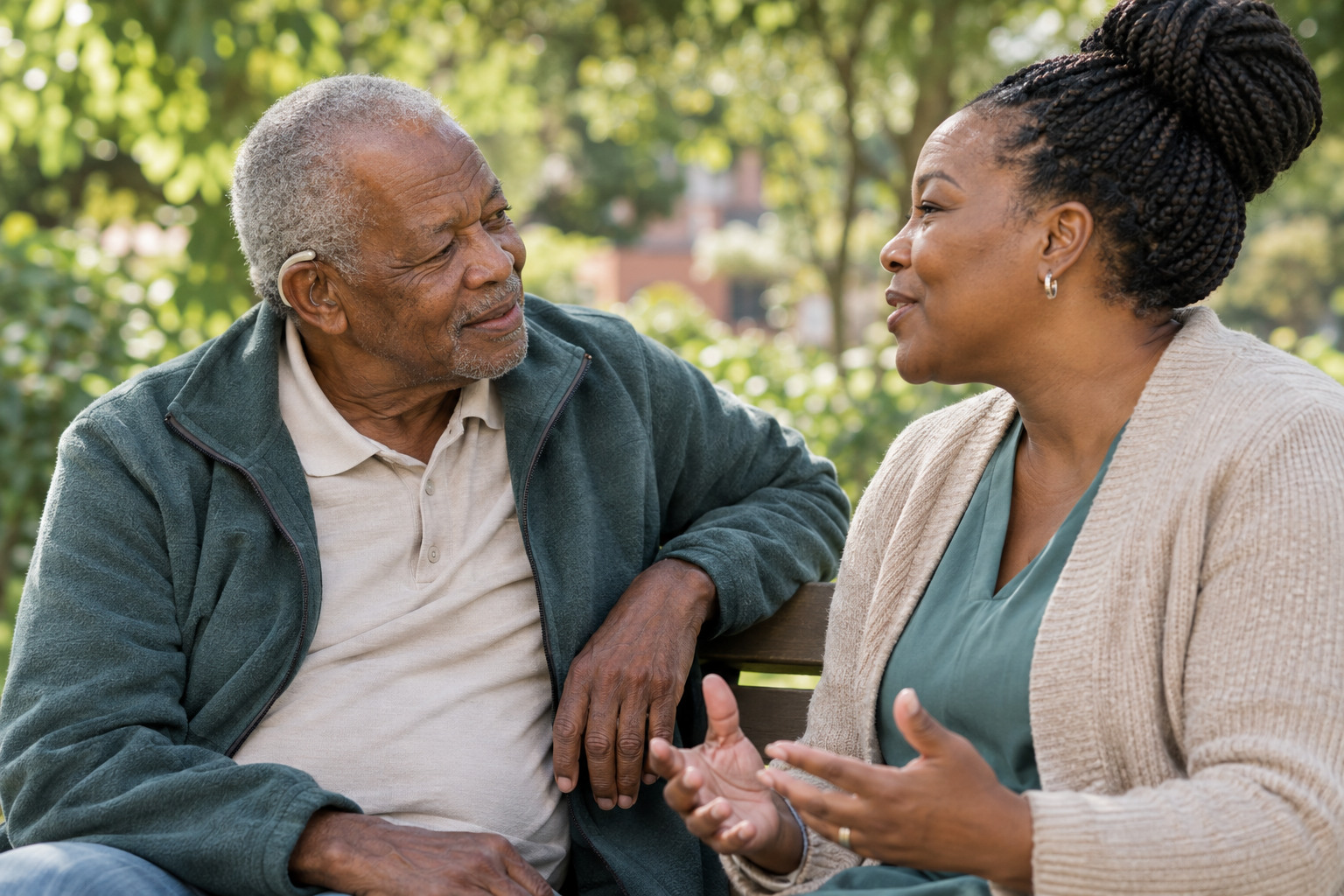
Research shows that hearing loss is a leading risk factor for dementia and one we can change.
Professor Brent Tipping, a geriatrician at Wits Donald Gordon Medical Centre (WDGMC), says that
this more than doubles the odds of dementia, with visual impairment (both near and far) also
elevating the risk.
In an earlier study that Tipping co-authored, researchers examined hearing, vision and dementia
among 567 older adults in Agincourt, Mpumalanga. Participants were drawn from the Health and
Aging in Africa: A Longitudinal Study of an INDEPTH Community in South Africa (HAALSI).
While the findings do not establish that hearing loss directly causes dementia or that treating it
prevents the condition, the results point to the critical importance of hearing and vision interventions
for overall brain health.
The work starts before old age
Preventing diseases like dementia is a lifelong process, and there are numerous ways in which
people can ensure that their cognitive faculties remain as sharp as possible as they age. These
include managing blood pressure, cholesterol, diabetes and weight, staying active and addressing
excessive drinking.
He also reviews sleeping medication when assessing patients who are confused or struggling to
function during the day. The review can help identify whether a medicine is contributing to their
difficulties.
Tipping uses the image of an overloaded plate to explain how work, family responsibilities, anxiety
and poor sleep can overwhelm attention. Forgetfulness has several possible explanations, but
persistent or worsening changes need assessment.
The Lancet Commission estimates that addressing 14 modifiable risk factors could prevent or delay
around 45% of dementia cases worldwide. Notably, access to quality education from early
childhood also matters for later cognitive decline, making unequal levels of education a particular
concern in South Africa.
“But, learning is lifelong. You don’t need to do crosswords or sudoku if you don’t enjoy them.
Learning a new skill or pursuing any absorbing interest is good enough,” says Tipping.
Specialist care in short supply
WDGMC has a dedicated geriatrics service in a country with few specialists in the field. It forms part
of the Wits Division of Geriatric Medicine, which Wits describes as the largest training and service
delivery centre for the speciality in sub-Saharan Africa.
According to Tipping, only two funded training posts exist nationally, including one supported by the
Donald Gordon Foundation. In an earlier opinion article, he and Dr India Butler called for more
university training units and funding for research relevant to South African communities.
The division also teaches doctors who care for older people in other settings. Understanding frailty,
memory problems and the effects of medication can help guide treatment in primary healthcare
clinics and other specialist practices.
“The patients have layers of complexity,” says Tipping. An initial consultation can take two hours.
Alongside coexisting illnesses, he considers how patients manage daily activities and what support
they have at home. Families caring for someone with dementia may need practical help and
opportunities to rest as their responsibilities grow.
As dementia progresses, relatives take over tasks the person once managed independently: driving,
preparing meals and taking medication. Tipping describes a reversal of the independence gained
while growing up. Someone who previously cared for others increasingly needs care themselves.
The person with dementia may not fully recognise these changes. With their needs met, they can still
enjoy life. But making that possible requires someone else to take responsibility for the things they
can no longer manage.
For Tipping, this is one of dementia’s particular difficulties. The person receiving care may be
comfortable while the caregiver struggles with the demands of providing it. Helping those caregivers
cope is therefore an essential part of treating the illness
A Global Burden of Disease study projected that population growth and ageing would help drive an
increase from approximately 57 million people living with dementia in 2019 to 153 million by 2050. In
South Africa, Professor Stephen Tollman, Director of the MRC/Wits Agincourt Research Unit, has
highlighted the pressures this places on communities, where older people often care for
grandchildren and help support households through their pensions. Their declining health can affect
several generations of a family.
For Tipping, this is why the aim of geriatric care is “the longest well life, and not necessarily the
longest life”. Treatment should help people remain independent and comfortable for as long as
possible.













MBChB; FCS (SA); MMed Surgery; FEBS (Fellow of European Board of Transplant Surgeons
I am a trained abdominal transplant surgeon involved in both liver and kidney transplantation from deceased and living donors. In our transplant unit, we transplant both adults and children.